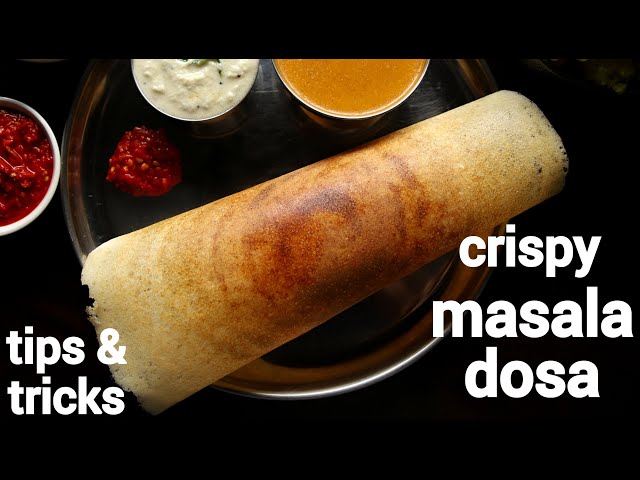
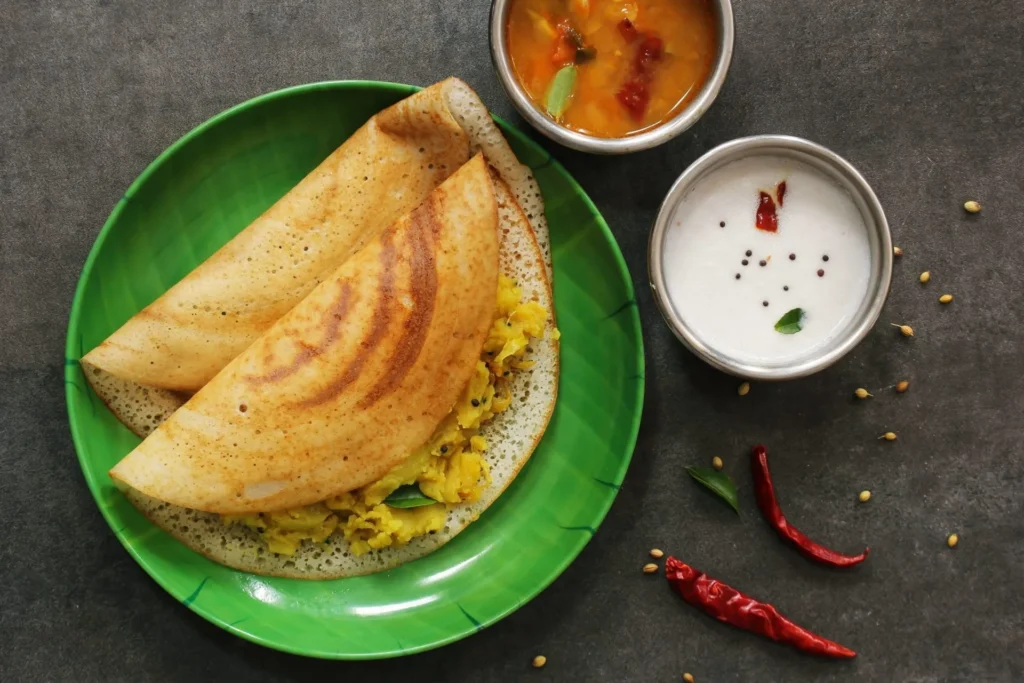
Masala dosa is one of the most popular South Indian breakfast foods. It is loved all over India. The crisp dosa filled with spicy potato masala is a delight. Many people enjoy it with coconut chutney and sambar. This article explains how to make perfect masala dosa at home. The language is simple. Sentences are short for easy reading. The process is detailed with tips for Indian kitchens and tastes.
Making masala dosa takes time and patience. The key steps are making the batter, preparing the potato filling, spreading the dosa, and serving it hot. If you follow the steps, you will have crisp dosa with soft potato filling.
What is Masala Dosa
Masala dosa is a fermented rice and lentil crepe. It is golden and crisp. Inside, it has a spiced potato filling. It comes from South India. It is now a beloved dish across India. Many restaurants and street vendors serve it with chutney and sambar. At home, it is a healthy choice for breakfast or dinner.
Ingredients You Need
For dosa batter
- 2 cups rice (regular or sona masuri)
- 1 cup urad dal (split black gram)
- 1 teaspoon fenugreek seeds (optional, helps fermentation)
- Salt to taste
- Water for soaking and grinding
For potato masala
- 4 to 5 medium potatoes
- 2 tablespoons oil
- 1 teaspoon mustard seeds
- 1 teaspoon cumin seeds
- Few curry leaves
- 1 to 2 green chillies finely chopped
- 1 medium onion finely sliced
- A small piece of ginger finely chopped
- 1/4 teaspoon turmeric powder
- Salt to taste
- Fresh coriander leaves chopped
- Lemon juice (optional, for tang)
To cook dosa
- Oil or ghee for the pan
- Non stick tava or cast iron tawa
To serve
- Coconut chutney
- Sambar
- Tomato chutney
- Coriander chutney
Step 1 Clean and Soak Rice and Dal
Wash rice in water until the water runs clear.
Wash urad dal and fenugreek seeds.
Soak rice and dal separately in clean water for 4 to 6 hours.
Soaking makes them soft and easy to grind.
Fenugreek seeds help fermentation.
They also make dosa crisp and brown.
Also Read How to Make Bihar Famous Litti Chokha at Home: A Complete Step-by-Step Guide
Step 2 Grind the Batter
Drain the soaked rice and dal.
Add urad dal and fenugreek to a grinder.
Grind with water to make a smooth paste.
Add rice and grind to slightly grainy texture.
The batter should be thick but pourable.
Use a wet grinder if possible.
It gives better texture.
Mix both pastes in a large bowl.
Add salt and stir well.
Step 3 Ferment the Batter
Cover the bowl and keep it in a warm place.
Fermentation takes 8 to 12 hours or overnight.
In winter it may take longer.
The batter should double in volume and look bubbly.
Good fermentation gives sour taste and crisp dosa.
If fermentation does not happen, keep the batter in a slightly warm oven or near a warm spot in the kitchen.
Step 4 Prepare Potato Masala
Boil potatoes until they are soft.
Peel and mash them lightly.
Do not make them smooth.
Heat oil in a pan.
Add mustard seeds and let them crackle.
Add cumin seeds and curry leaves.
Add green chillies and ginger.
Sauté for a few seconds.
Add sliced onions and cook until soft.
Add turmeric powder and salt.
Mix well.
Add mashed potatoes and mix with spices.
Cook for 2 to 3 minutes on low flame.
Add fresh coriander and lemon juice if you like tang.
Turn off heat and keep the masala ready.
The potato masala should be soft and spicy.
Step 5 Heat the Pan
Use a non stick or cast iron tawa.
Heat it on medium flame.
Clean the surface with a damp cloth.
Do not pour water on a hot pan.
When the pan is hot, sprinkle a few drops of water.
If the water sizzles and evaporates, the pan is ready.
Step 6 Spread the Batter
Stir the batter well.
Do not add extra water.
Take a ladle of batter.
Pour it in the centre of the hot pan.
Spread the batter in a circular motion.
Make a thin spread like a pancake.
Do this quickly but gently.
Step 7 Drizzle Oil
Once the dosa batter is spread, pour a little oil or ghee around the edges.
A thin line of oil helps crisp the dosa.
Cook on medium flame.
Within 1 to 2 minutes the bottom will turn golden brown.
You do not need to flip the dosa if you want it crisp.
Cook until the top side looks dry.
Step 8 Add Potato Filling
Place a spoonful of potato masala in the centre of the dosa.
Spread it lengthwise.
Fold the dosa from both sides over the filling.
You can make a roll or a triangle shape.
Serve hot.
Step 9 Serve with Chutney and Sambar
Masala dosa tastes best with coconut chutney and sambar.
You can also serve with tomato chutney or coriander chutney.
Pour a little ghee on the dosa if you like rich flavour.
Tips for Perfect Masala Dosa
- Good fermentation is key: Keep the batter in a warm place for proper fermentation.
- Consistency of batter: The batter should be thick but pourable, not too thin.
- Heat of pan: The pan should be hot before spreading the batter.
- Spread quickly: Do not wait too long to spread the batter, or dosa will be thick and soft.
- Oil around edges: This helps dosa become crisp and golden.
- Clean pan: Wipe the pan after every few dosas so it stays clean.
Common Mistakes to Avoid
One common mistake is spreading batter on a cold pan. This makes the dosa soft and sticky. Always heat the pan first. Another mistake is adding too much water while spreading. Too thin batter makes the dosa tear easily. Do not lift the dosa too early. Wait until the edges lift easily and turn golden.
Making the potato masala too watery can make dosa soggy. Make sure the potato filling is dry enough to hold in dosa.
Variations of Masala Dosa
You can make many tasty variations.
- Onion masala dosa: Add finely chopped onions on top of dosa before adding potato masala.
- Cheese dosa: Add grated cheese on top of potato filling.
- Paneer dosa: Add crumbled paneer to the potato masala for a protein boost.
- Rava dosa: Use semolina in batter for a different texture.
- Set dosa: Make smaller thick dosas and serve three at a time with potato.
Health Benefits of Masala Dosa
Masala dosa contains protein from urad dal and carbohydrates from rice.
Potato adds energy and fibre. Coconut chutney adds healthy fats. Sambar adds vegetables and lentils. A well balanced plate of masala dosa, chutney and sambar can be a nutritious meal.
FAQs about Masala Dosa
Q: How long can dosa batter stay in fridge?
A: Fermented batter can stay in fridge for up to three days. Keep it covered.
Q: Why is my dosa not crispy?
A: The pan may be cool or batter too thick. Spread thin and use a hot pan.
Q: Can I make batter quickly?
A: Quick batter is possible using idli rava and buttermilk. But traditional batter tastes best.
Q: Why does the batter not ferment?
A: In cold weather fermentation slows. Keep the batter in a warm place or inside oven with light on.
Q: Can I make masala dosa without urad dal?
A: Urad dal helps fermentation and crispiness. Without it the dosa may be soft.
Final Thoughts
Masala dosa is a classic Indian dish that you can master at home. It needs simple ingredients and a little practice. Once you get the batter right and the pan hot enough, you will make crisp and tasty dosas every time. Serve with chutney and sambar for a complete meal. Family and guests will enjoy this South Indian favourite in your home. With patience and the right steps, masala dosa becomes easy and rewarding to make.