
Here is your article with all hyperlinks and citations removed, plus a catchy H1 with strong gardening keywords, and no content shortened. Everything else remains the same.
Basil is fast, fragrant, and very rewarding. With smart harvesting you can get leaves all season. Many home gardeners lose yield by harvesting the wrong way. This guide shows the best harvest methods, timing, pruning tricks, and aftercare. It is written in clear simple English with short sentences. The tips are tuned for Indian weather and kitchens.
Why proper harvest boosts yields
When you cut basil correctly the plant branches more. More branches mean more leaf sites. That makes the plant bushier and more productive. Gardeners who pinch or prune early often double their harvests over time.
You will also get fresher leaves. Frequent light harvests keep strong new growth. If you wait too long the plant bolts and flowers. Flowering reduces leaf production and can change the taste.
When to start harvesting
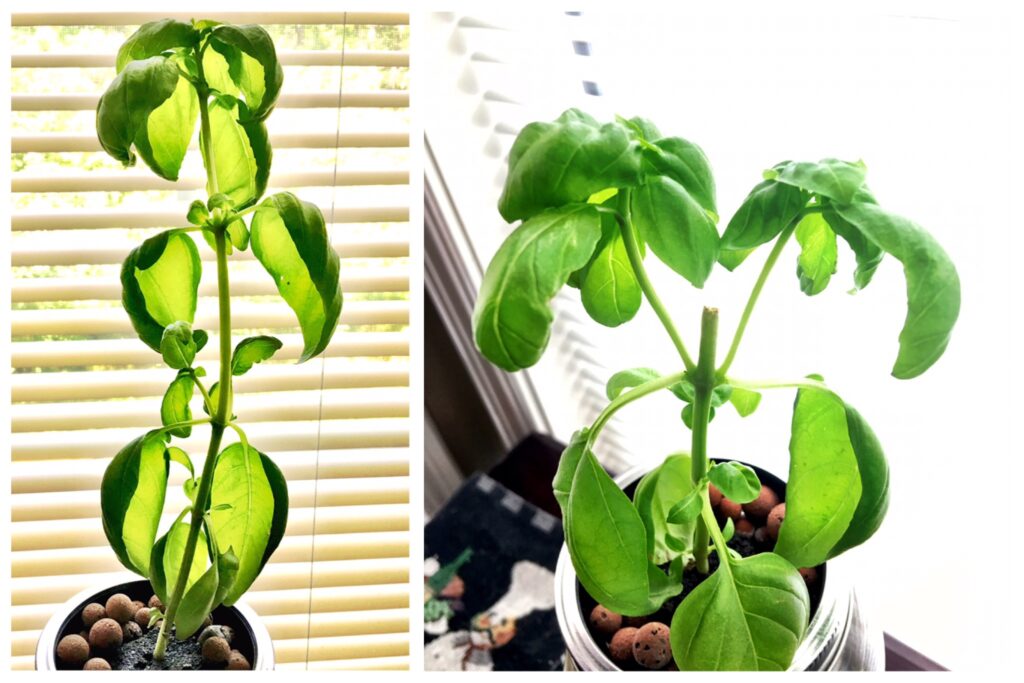
Start when the basil is 15 to 20 cm tall. By then the plant has 4 to 6 true leaves and solid stems. Begin early rather than waiting. Early pruning teaches the plant to branch.
Harvest in the cool part of day. Morning is best. Essential oils are higher then. Leaves have the strongest aroma and flavour in the early hours.
Also Read Winter Plant Care in India: Smart Ways to Protect Your Plants from Heat and Sun 🌞🌿
How often to harvest
Harvest regularly. Aim to pick some leaves every 3 to 5 days in warm weather. This frequent light cut keeps the plant in leaf and delays flowering. Never remove more than one third of the plant at once. Let the plant recover before the next big cut.
Cutting technique that increases yield
Always cut above a leaf node. A leaf node is where a pair of leaves meets the stem. Cutting just above this point encourages two new shoots to grow there. This doubles the leaf production at that spot. Use clean scissors or pruning shears. A clean cut heals fast.
For small plants use pinch method. Pinch with your thumb and forefinger. Remove the top 2 sets of leaves. For larger plants cut stems back by a third. Aim to keep the plant compact.
Remove flower buds immediately. Flowers signal the plant to stop making big leaves and to make seeds. Snip any buds you see to keep leaf production high.
Pruning schedule and stages
- First topping: When the plant is 15 to 20 cm tall, pinch the main stem above node 3 or 4.
- Second pruning: After 2 to 3 weeks, cut again to shape the plant. Remove weak or inward growing stems.
- Maintenance cuts: During the season pick leaves often and remove any flower buds. Do not remove more than one third at a time.
This schedule encourages strong lateral growth and many harvest points.
Variety and climate tips for India
Sweet basil varieties like Genovese respond well to regular pruning. Thai basil and purple basil prefer slightly warmer, sunnier spots. Tulsi or holy basil is a different species with different taste and habit. Prune tulsi gently and less aggressively than culinary basil.
In hot Indian summers water well and harvest in the morning. In monsoon keep foliage dry when possible to reduce fungal risk. Harvest on dry days. In winter, protect tender young shoots from cold nights. Bring pots indoors if frost is possible.
Fertility and watering to support regrowth
Basil likes rich, well drained soil. Feed lightly after a large harvest to support regrowth. Use a balanced organic fertiliser or compost tea. Overfeeding with high nitrogen can make the plant lush but weak. Feed in moderation.
Water consistently. Basil does not like drought stress. But avoid waterlogging. Good drainage keeps roots healthy and supports fast regrowth.
Pest and disease care when you harvest
Always use clean scissors. Dirty tools can spread disease. Inspect plants for pests before harvest. Aphids and whiteflies are common. Remove pests by hand or use mild soap spray. Neem oil works well against many pests and suits organic gardens. Keep leaves dry after spraying and wait before harvesting.
Harvesting at the wrong time or with wet foliage can spread fungal spores. Pick on dry mornings. Clean up dropped leaves to reduce disease risk.
How to store harvested basil for best shelf life
Short term: put stems in a jar of water like flowers. Cover loosely with a plastic bag. Keep at room temperature. Change water every 2 to 3 days. This preserves fresh flavour for up to a week.
Long term: blanch and freeze leaves. Or lay leaves on a tray, flash freeze, then store in airtight bags. You can also make basil pesto and freeze in small tubs. Drying reduces flavour but works for storage when needed.
Avoid refrigerating bare leaves. Basil dislikes cold and may blacken in the fridge.
Propagation from cuttings for continuous supply
Take cuttings from healthy plants. Cut 8 to 10 cm stems below a node. Remove lower leaves. Put stems in water until roots appear. Then pot into soil. This way you can create more plants during the season. Cuttings root fast in warm Indian conditions.
Tricks to boost harvests further
- Succession planting. Sow new seeds every 3 to 4 weeks.
- Pinch early to get many branches.
- Give at least 4 to 6 hours of sunlight.
- Remove flowers to keep flavour strong.
Common beginner mistakes to avoid
- Cutting too low and leaving no leaves.
- Taking more than one third of foliage.
- Letting plants flower and not removing buds.
FAQs: quick answers for Indian gardeners
Q: How much can I harvest at once?
A: Do not harvest more than one third of the total foliage at a single time.
Q: Can I harvest basil every day?
A: You can pick a few leaves daily. For larger cuts wait 3 to 5 days.
Q: When do I stop harvesting for the season?
A: Stop when weather drops below 10 to 12 degrees Celsius. In many Indian regions basil grows almost year round.
Q: Will pruning reduce flavour?
A: Proper pruning improves flavour because new leaves are tender and aromatic.
Q: Can I increase yield in pots?
A: Yes. Use a wide pot, prune often, and keep soil fertile.
Final tips and a quick routine
Morning harvest. Pinch or cut above nodes. Never take more than a third. Remove any flower buds. Feed lightly after big cuts. Keep water steady and soil fertile. Use cuttings to multiply plants. Store stems in water for easy kitchen use.
Follow this simple routine and your basil will reward you with abundant fragrant leaves all season.