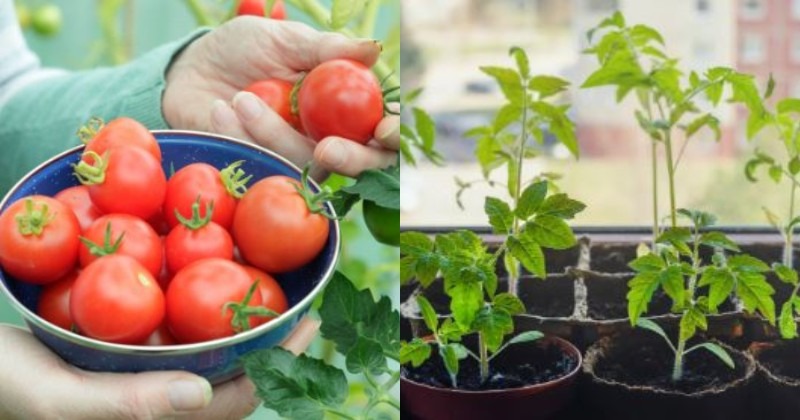
Growing tomatoes at home is one of the most satisfying gardening experiences. Tomatoes are used daily in Indian cooking. They are added to sabzi, dals, chutneys, curries, soups, and salads. When you grow tomatoes at home, you enjoy fresh taste, better nutrition, and chemical free produce. You also save money and make good use of small spaces like balconies and terraces.
This detailed guide explains how to plant tomatoes at home in simple English. It is written for Indian weather, Indian soil, and Indian homes. Every step is explained clearly so even beginners can succeed.
Why growing tomatoes at home is a great idea
Tomatoes are rich in vitamin C, vitamin A, potassium, and antioxidants like lycopene. These nutrients support immunity, skin health, and heart health. Home grown tomatoes taste sweeter and fresher than market tomatoes. They are free from excess pesticides and artificial ripening chemicals.
Tomato plants grow well in pots, grow bags, and garden beds. They do not need a large garden. With proper sunlight and care, even one plant can give many tomatoes. Gardening also reduces stress and keeps you connected to nature.
Best tomato varieties for Indian home gardens
Choosing the right tomato variety is very important for good yield. Some varieties grow well in containers while others need open soil.
For balconies and terraces, cherry tomatoes and dwarf tomato varieties work best. They stay compact and produce many small fruits. For backyards and terrace gardens, hybrid varieties like Pusa Ruby, Arka Vikas, Arka Saurabh, and Vaishali perform very well. These varieties are suitable for Indian climate and give good harvest.
In hot regions, choose heat tolerant tomato varieties. In cooler regions, most tomato types grow easily. Local seed varieties also adapt well to regional weather.
Best time to plant tomatoes in India
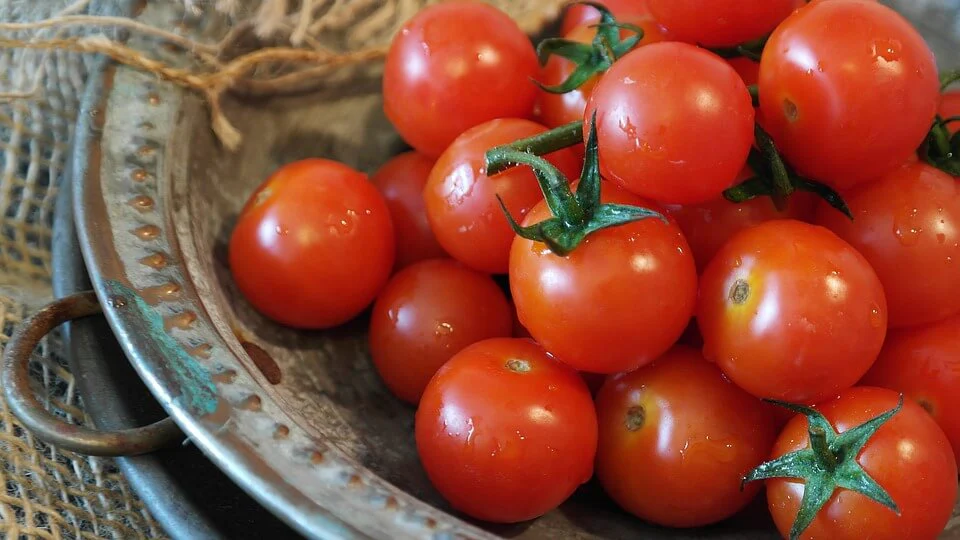
Tomatoes grow best in warm weather with moderate humidity. In most parts of India, tomatoes can be grown twice a year.
For winter harvest, sow seeds between September and October. For summer harvest, sow seeds between December and January in mild winter regions. In very cold areas, seeds can be started indoors and transplanted later.
Avoid planting during extreme summer heat or peak monsoon rains. Too much heat or water can damage plants.
Also Read How to Make Tamatar Chaat: A Delicious Indian Tomato Snack 🍅✨
Sunlight requirement for healthy tomato plants
Tomatoes need plenty of sunlight to grow well and produce fruits. At least six to eight hours of direct sunlight is required every day. Choose a sunny spot on your balcony, terrace, or garden.
If sunlight is less, plants may grow tall but produce fewer flowers and fruits. Good sunlight also helps reduce disease problems.
Soil preparation for planting tomatoes at home
Good soil is the foundation of healthy tomato plants. The soil should be loose, rich, and well drained. Tomatoes prefer slightly acidic to neutral soil.
For pots and grow bags, prepare a soil mix using garden soil, compost, and cocopeat. Garden soil provides structure. Compost provides nutrients. Cocopeat improves water retention and drainage. You can also add a little sand or perlite to improve aeration.
For garden beds, dig the soil deeply and mix well rotted compost or farmyard manure. Remove stones and weeds. Loose soil helps roots grow freely and absorb nutrients.
Choosing the right container for tomato plants
Containers should be deep and wide enough for root growth. A minimum of twelve to sixteen inch deep pot is recommended for one tomato plant. Grow bags, clay pots, and plastic containers all work well if they have drainage holes.
Avoid very small pots because tomato roots need space. Poor root space leads to weak plants and low yield.
How to start tomato seeds at home
Tomato seeds can be started in seed trays, small pots, or recycled containers. Fill the container with seed starting mix or light soil mix. Sow seeds half to one centimetre deep. Cover lightly with soil.
Water gently so the soil stays moist but not soggy. Keep the container in a warm place with indirect sunlight. Seeds usually germinate within five to ten days.
Once seedlings appear, move them to a place with good sunlight. Healthy seedlings should be green and strong.
Transplanting tomato seedlings correctly
Seedlings are ready for transplanting when they have four to six true leaves. This usually happens after three to four weeks. Water the seedlings before transplanting to reduce stress.
Make a hole in the pot or garden bed. Place the seedling deep into the soil. Tomato stems can grow roots, so planting deeper makes the plant stronger. Firm the soil gently around the plant.
Keep space between plants to allow air flow. Proper spacing reduces disease and helps plants grow better.
Watering tomato plants the right way
Watering is very important for tomato plant health. Tomatoes like consistent moisture but hate waterlogging. Water deeply so that moisture reaches the roots.
Allow the top layer of soil to dry slightly before watering again. In summer, plants may need watering daily or every alternate day. In winter, watering frequency reduces. During monsoon, be careful to avoid excess water.
Water early in the morning. This helps plants absorb moisture and prevents fungal diseases.
Supporting tomato plants with stakes or cages
Tomato plants grow tall and need support. Without support, branches can break and fruits may touch the soil and rot.
Use bamboo sticks, wooden stakes, or tomato cages. Tie the plant loosely with soft cloth or garden ties. Adjust ties as the plant grows.
Support improves air circulation and sunlight exposure. It also makes harvesting easier.
Fertiliser and feeding schedule for tomatoes
Tomatoes are heavy feeders and need regular nutrition. Before planting, mix compost or organic manure into the soil.
After transplanting, feed the plant every two to three weeks. Use balanced fertiliser or organic options like vermicompost, compost tea, or liquid seaweed. During flowering and fruiting stage, fertiliser with higher potassium helps improve fruit quality.
Avoid too much nitrogen. Excess nitrogen causes leafy growth but fewer fruits.
Mulching for moisture and weed control
Mulching helps retain soil moisture and keeps roots cool. It also prevents weed growth and reduces soil splash.
Use dry leaves, straw, coconut husk, or grass clippings as mulch. Spread mulch around the plant but keep it away from the stem.
Mulching is especially helpful during summer and dry seasons.
Common pests and diseases in tomato plants
Tomato plants may attract pests like aphids, whiteflies, and fruit borers. Regularly check leaves and stems. Early detection helps control problems easily.
Spray neem oil or homemade organic sprays to control pests. Remove infected leaves immediately.
Common diseases include blight and leaf spot. Avoid overhead watering and ensure good air circulation. Healthy soil and proper spacing reduce disease risk.
Harvesting tomatoes at the right time
Tomatoes are ready to harvest when they turn red and firm. Pick fruits gently to avoid damage. Regular harvesting encourages the plant to produce more fruits.
Green tomatoes can be harvested and ripened indoors. Fully ripe tomatoes have the best flavour and nutrition.
Storing and using home grown tomatoes
Store tomatoes at room temperature. Avoid refrigeration as it reduces flavour. Use fresh tomatoes in cooking or make sauces, purees, and chutneys for longer storage.
Home grown tomatoes are perfect for everyday Indian recipes.
Common mistakes new gardeners make
Overwatering is the most common mistake. Always check soil moisture before watering. Another mistake is planting in poor soil. Rich soil is essential for good yield.
Lack of sunlight also reduces fruiting. Choose a sunny location. Ignoring early pest signs can lead to bigger problems later.
Frequently Asked Questions
Can tomatoes be grown in small flats?
Yes. Tomatoes grow well in balcony pots and grow bags with enough sunlight.
How long does a tomato plant take to produce fruits?
Most tomato plants start fruiting within sixty to eighty five days after transplanting.
Why are flowers falling without fruit?
This can happen due to heat stress, lack of nutrients, or irregular watering.
Can kitchen waste compost be used for tomatoes?
Yes. Well decomposed compost from kitchen waste is excellent for tomatoes.
Final thoughts
Growing tomatoes at home is simple and rewarding when done correctly. With good soil, enough sunlight, proper watering, and timely feeding, tomato plants grow healthy and productive. Indian climate supports tomato growth for most of the year with minor adjustments.
Start with one or two plants. Learn from experience. Soon you will enjoy fresh, juicy tomatoes straight from your home garden. Gardening is a skill that improves with practice, and tomatoes are the perfect plant to begin your journey.