
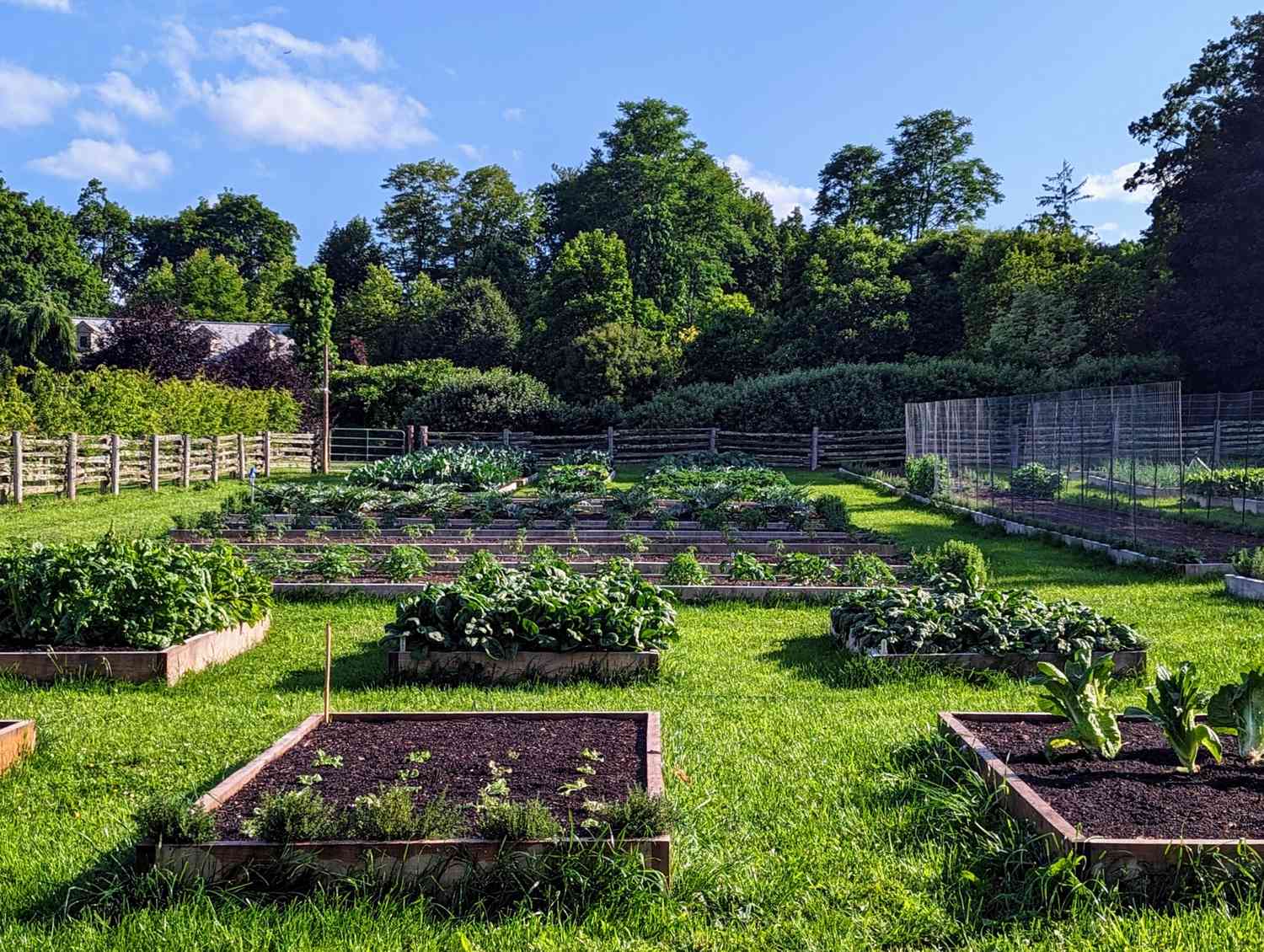
A plant-based garden focuses on growing fruits, vegetables, herbs, and edible plants—without relying on animal products like chemical-based fertilizers or pesticides. It is a clean, eco-friendly, and healthy way to grow your own food.
Whether you live in a flat or a house with a small yard, you can start your own plant-based garden using natural methods. In this guide, we will show you simple steps to get started, especially suited for Indian climates and spaces.
What Is a Plant-Based Garden?
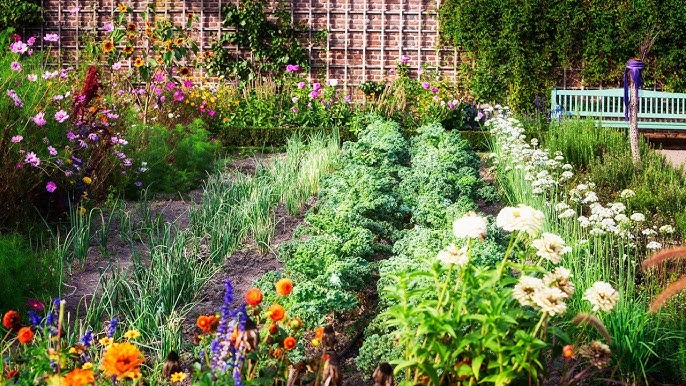
A plant-based garden is a garden where:
- Only edible plants are grown
- No animal-based products like cow dung or bone meal are used
- Natural fertilizers like compost, green manure, and plant teas are preferred
- The garden supports a cruelty-free, vegan lifestyle
It is different from a regular organic garden because it avoids using any animal by-products.
Why Start a Plant-Based Garden?
- Healthy food: Grown without chemicals or animal waste
- Saves money: Fresh food from home, less store shopping
- Environment-friendly: Reduces plastic and transport-related pollution
- Reduces waste: Reuse kitchen scraps to make compost
- Fits vegan lifestyle: 100% plant-powered
Plus, gardening itself is peaceful, rewarding, and helps reduce stress.
Also Read How to Start an Organic Garden at Home
Step-by-Step: How to Start a Plant-Based Garden
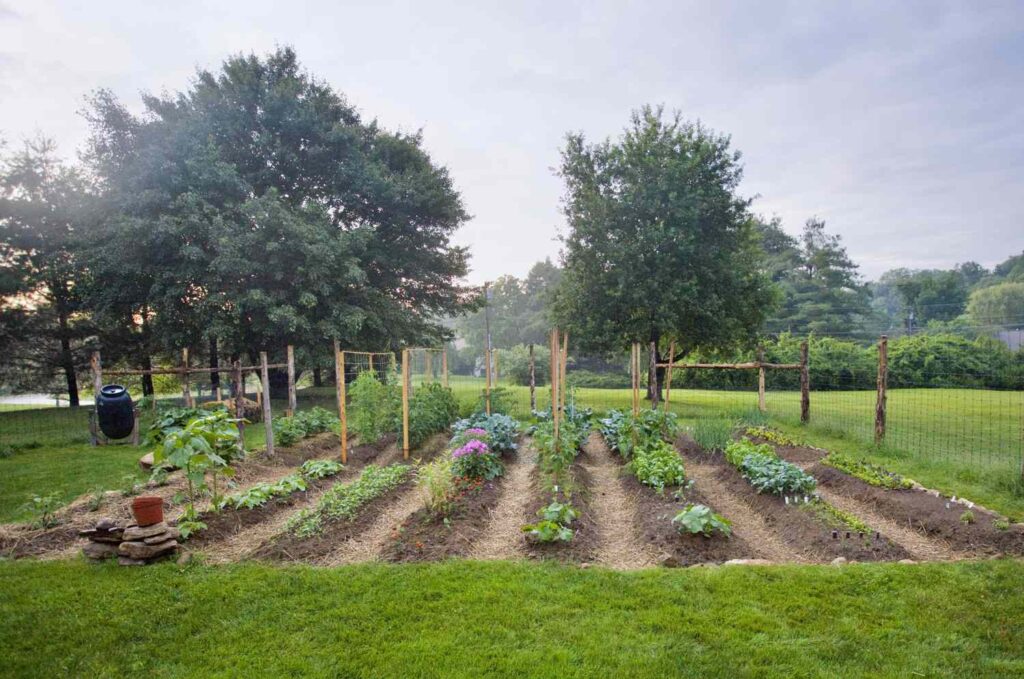
1. Pick the Right Location
Choose a spot with:
- At least 4–6 hours of sunlight daily
- Good air circulation
- Flat surface for pots or grow bags
In Indian homes, this could be:
- A balcony
- A rooftop terrace
- A window ledge
- A small backyard or front yard
If you don’t have sunlight, you can still grow shade-loving herbs like mint, coriander, or lettuce.
2. Choose the Right Containers
For small spaces, use:
- Earthen pots
- Grow bags (reusable fabric bags)
- Recycled containers like buckets, tins, or crates
- Vertical shelves or wall-mounted planters
Always ensure your containers have holes for water drainage.
3. Prepare a Vegan Potting Mix
Avoid soil mixes that contain bone meal or animal manure. Make a simple plant-based potting mix:
DIY Recipe:
- 40% clean garden soil
- 30% home compost (plant-based)
- 30% cocopeat or sand (for drainage)
Compost tip: Use only vegetable peels, fruit waste, dry leaves, and coffee/tea grounds for compost. No dairy, meat, or egg shells.
You can also add biochar, neem cake powder, or wood ash for extra nutrition.
4. Start with Easy Plant-Based Crops
Pick fast-growing and low-maintenance plants. Good options for Indian beginners:
Leafy Greens:
- Spinach (Palak)
- Amaranth (Chaulai)
- Fenugreek (Methi)
- Lettuce (needs less sun)
Herbs:
- Mint (Pudina)
- Coriander (Dhaniya)
- Basil (Tulsi)
- Lemongrass
Vegetables:
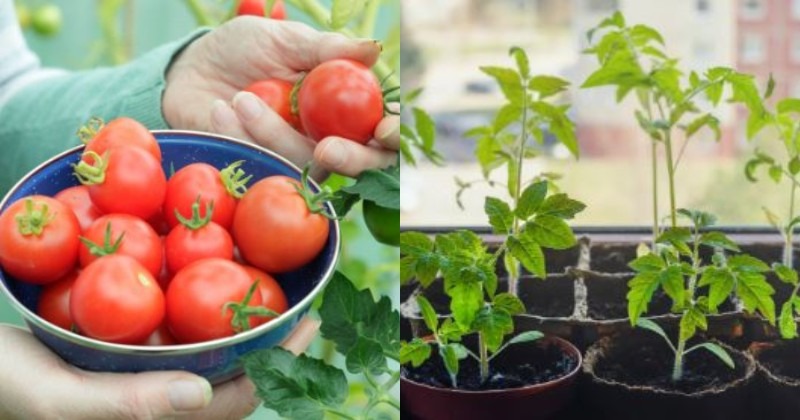
- Tomato (Tamatar)
- Chilli (Mirch)
- Brinjal (Baingan)
- Okra (Bhindi)
Fruits (for bigger spaces):
- Banana
- Papaya
- Lemons in containers
Use vegan, non-GMO seeds. Avoid hybrid or treated seeds with chemical coating.
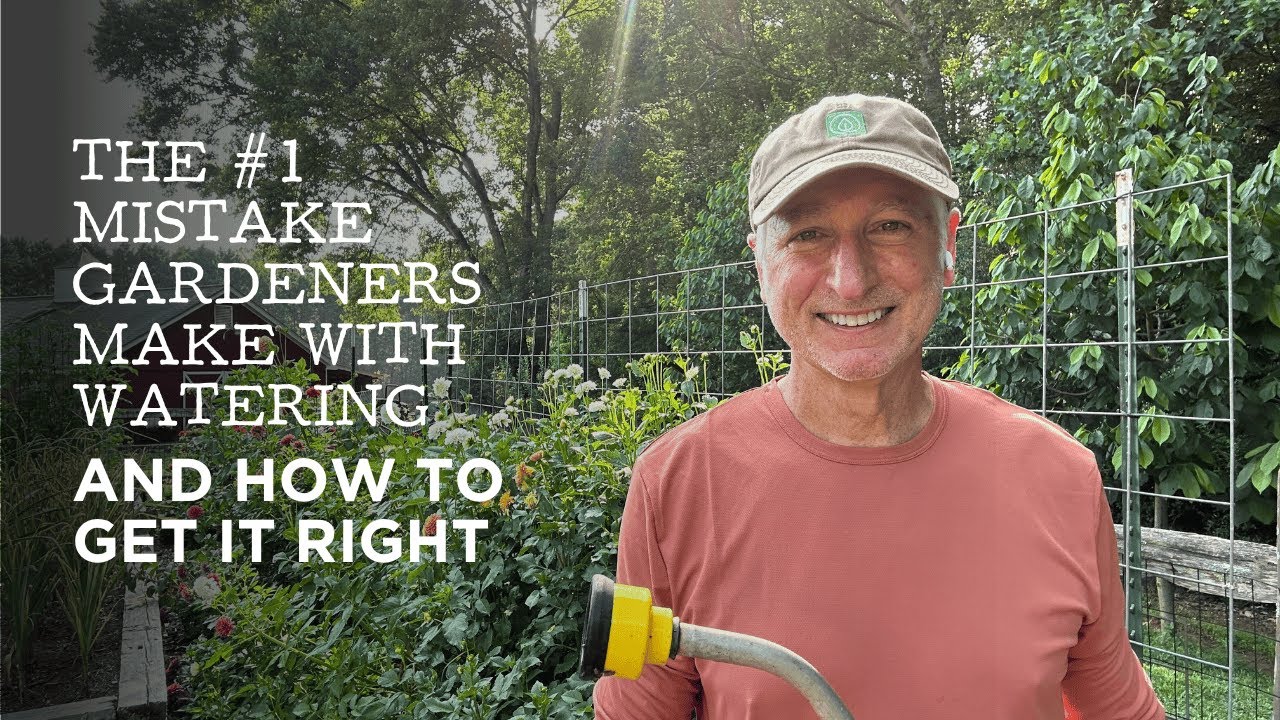
5. Watering Tips
- Use room temperature water
- Water in early morning or late evening
- Keep soil moist, not soggy
- Use a watering can or recycled bottle with small holes
- In hot Indian summers, water twice a day
6. Fertilize Without Animal Products
There are many vegan fertilizers you can make at home:
Easy options:
- Banana peel tea
- Compost tea (soaked compost water)
- Onion peel water
- Fermented rice water
- Wood ash (for potassium)
Apply these every 10–15 days.
Avoid bone meal, blood meal, fish emulsion, or cow dung.
7. Handle Pests Naturally
Use plant-based pest repellents. Here are a few simple recipes:
- Neem oil spray (1 tsp neem oil + 1 litre water + few drops soap)
- Garlic-chilli spray (boil garlic and green chilli, cool, and spray)
- Soap spray (1 tsp natural liquid soap in 1 litre water)
Spray early in the morning and never during peak sunlight.
Keep plants spaced out and remove dead or infected leaves.
8. Support Your Plants with Mulch and Pruning
- Mulching: Add a layer of dry leaves, newspaper, or straw over the soil. It locks in moisture and reduces weeds.
- Pruning: Trim yellow leaves and unwanted branches to help plants grow strong.
9. Grow Vertically to Save Space
If you have a small balcony:
- Use wall planters
- Hang pots from railings
- Install a metal stand for stacked containers
- Use old shoe racks for herbs
Vertical gardens make plant-based gardening easier in flats.
10. Harvest and Enjoy
- Harvest leafy greens early and often
- Use clean scissors or hands to pick
- Eat fresh or store in the fridge
- Share extras with friends or neighbours!
Nothing beats the joy of eating food grown with your own hands.
Common Mistakes to Avoid
- Overwatering (leads to root rot)
- Using poor-quality soil
- Growing too many plants at once
- Not feeding plants regularly
- Buying chemical pesticides or fertilizers
Start small. Learn from each mistake. That’s how every gardener grows!
FAQs: Plant-Based Gardening in India
Q1. Is plant-based gardening the same as organic gardening?
Not exactly. Organic gardening may still use cow dung or fish emulsion. Plant-based gardening avoids all animal products.
Q2. Can I use cow dung in a plant-based garden?
No. It’s avoided in vegan or plant-based gardens. Use compost made only from plant materials.
Q3. Is it possible to do this on a balcony?
Yes. Most Indian vegetables and herbs grow well in pots and grow bags.
Q4. How long before I can harvest?
Leafy greens take 20–30 days. Tomatoes and chillies take 60–90 days. Herbs can be harvested in 3–4 weeks.
Q5. What if I don’t have compost?
Start composting at home using a bucket and kitchen waste. Or buy ready compost from local organic brands.
Final Thoughts
A plant-based garden is more than just plants. It’s a step toward a sustainable, cruelty-free life. You grow your own food. You reduce waste. You reconnect with nature. And the best part? You don’t need a big budget or space to get started.
Be patient. Care for your plants like friends. And soon, you’ll enjoy homegrown, chemical-free, plant-based food every day.
Author- Ayush








2 thoughts on “How to Start a Plant-Based Garden at Home (India-Friendly Guide)”